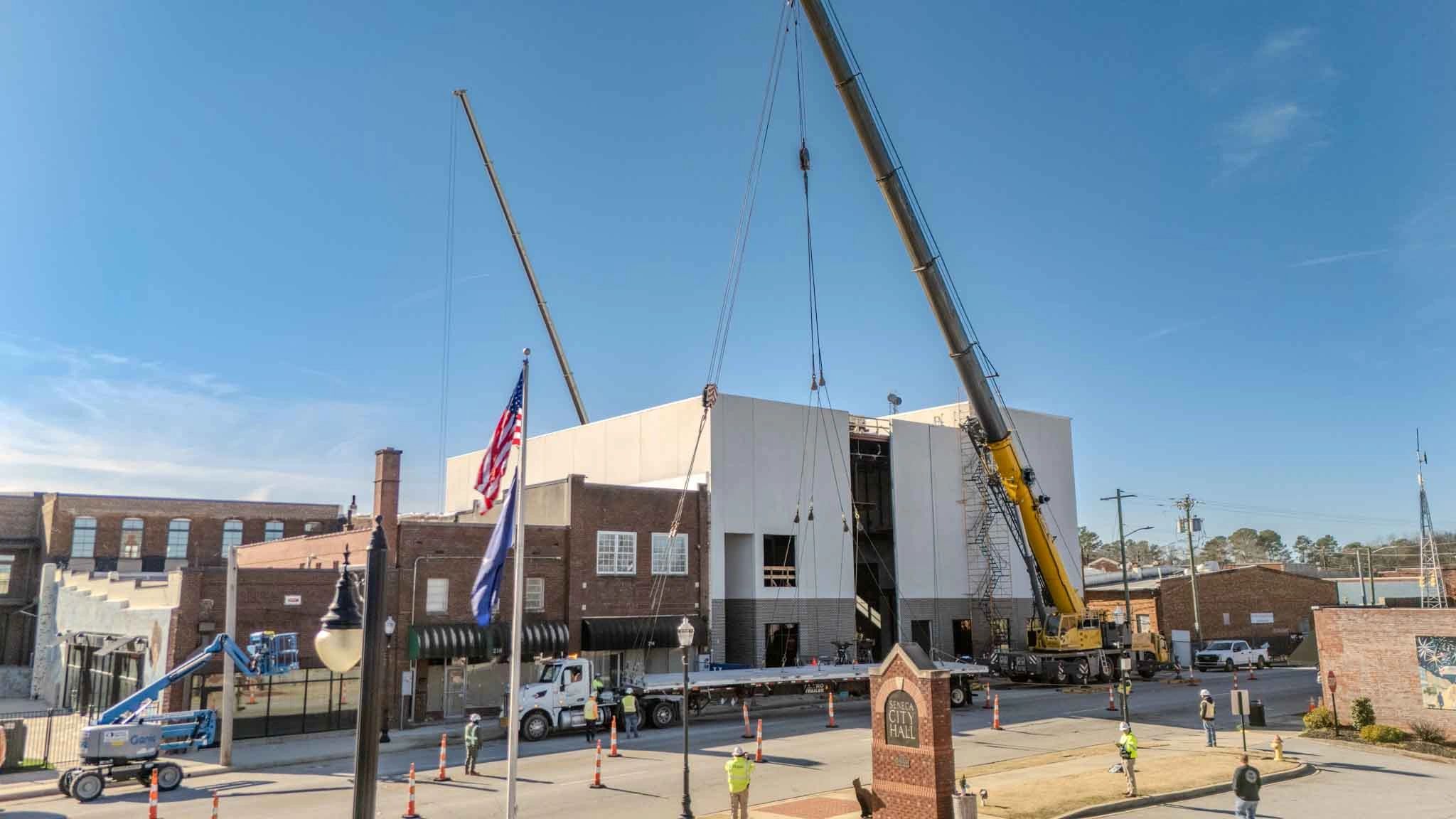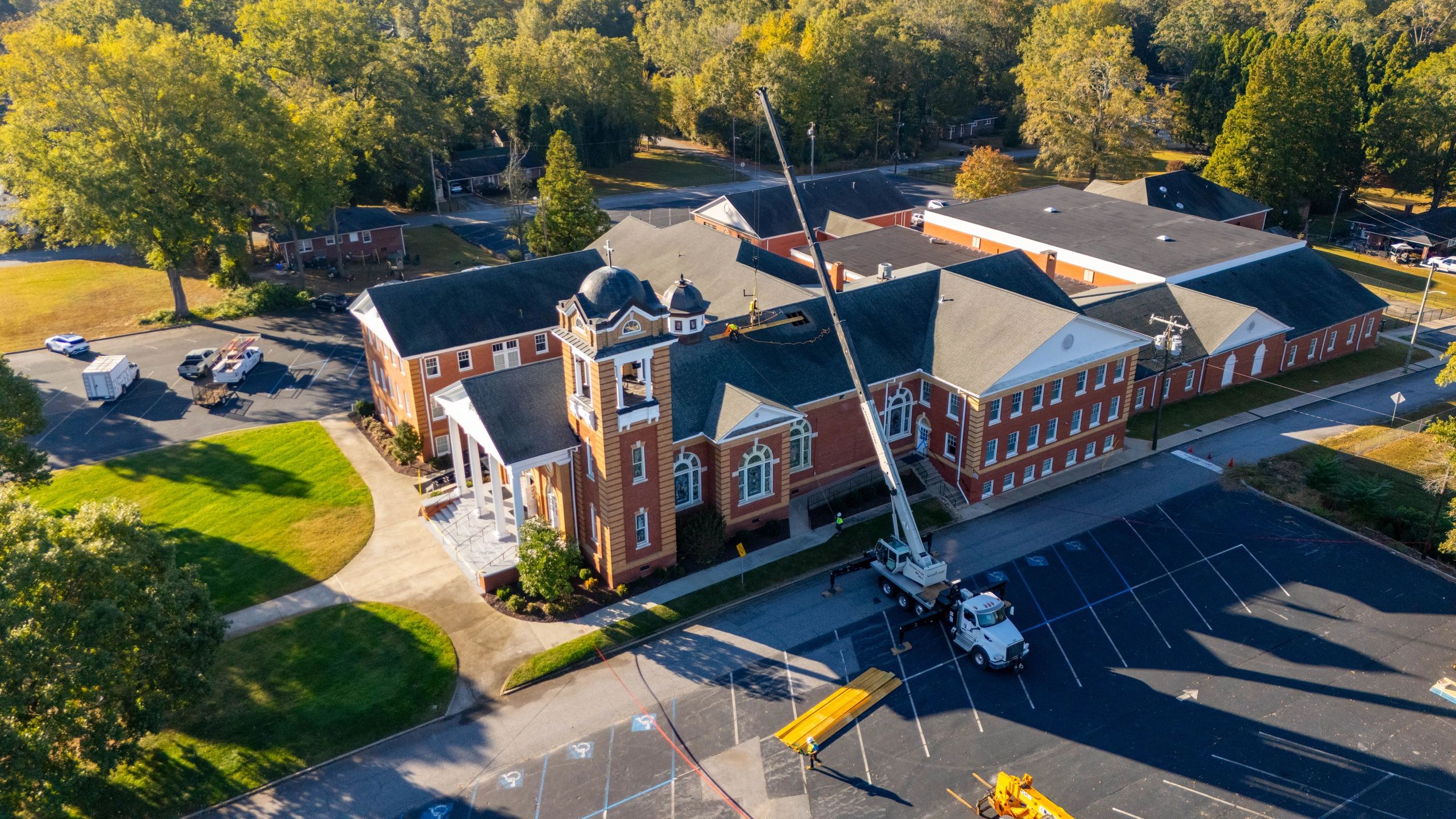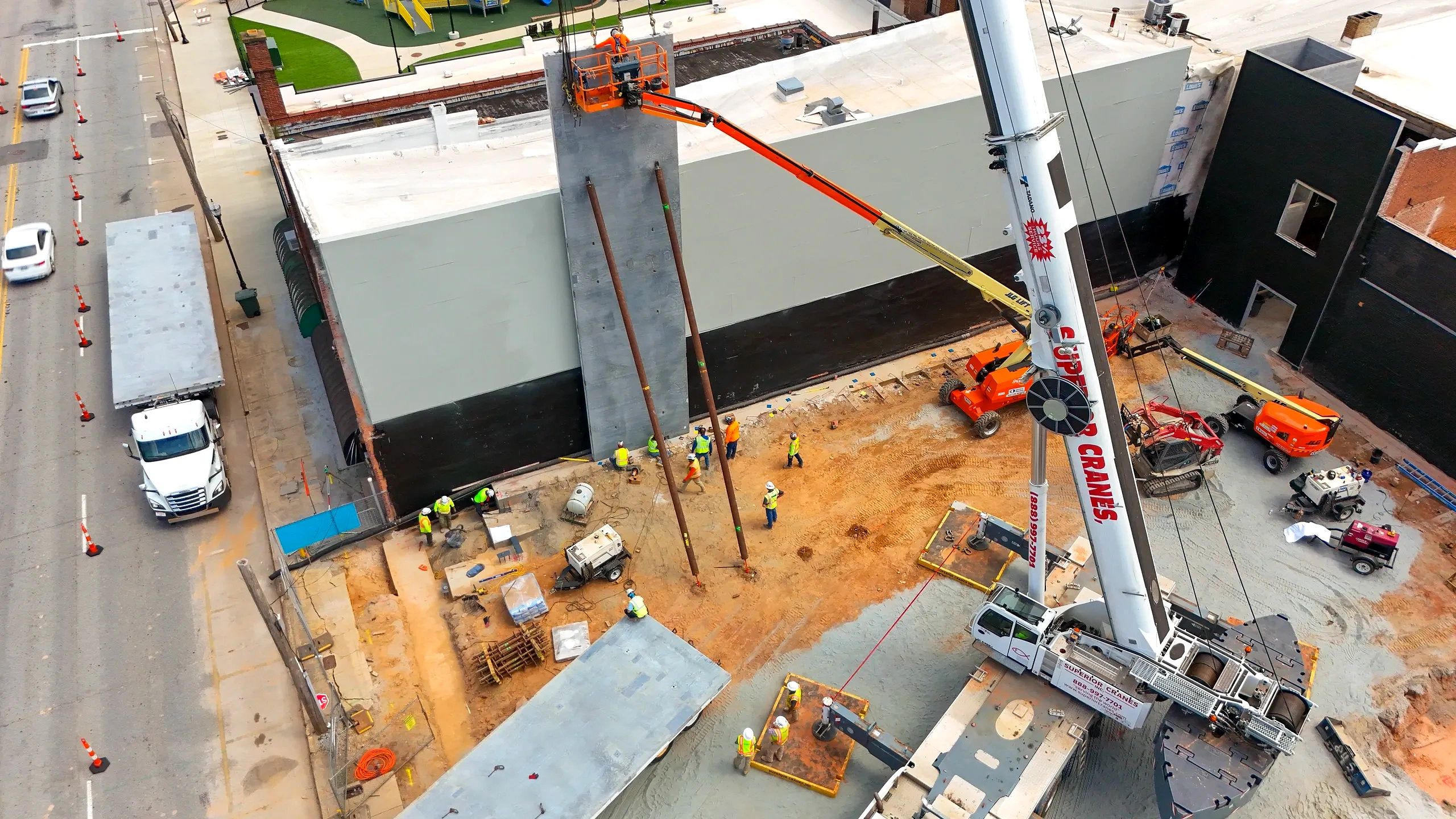
Rework is one of the most common and costly challenges on construction projects. Whether it’s due to miscommunication, layout errors, or coordination issues between trades, even small mistakes can lead to significant delays and added costs.
As projects become more complex, contractors are looking for better ways to catch issues early and improve overall coordination. Drone photography has emerged as a powerful tool that helps teams identify problems before they turn into expensive rework.
By providing a clear, consistent aerial view of the job site, drone documentation allows project teams to stay ahead of potential issues and make more informed decisions.
In this article, we’ll break down how drone photography helps reduce rework and improve efficiency on construction projects.
1. Catch Layout Issues Early
One of the biggest causes of rework is incorrect layout or positioning of elements on-site.
From the ground, it can be difficult to see how different areas of the project align. Drone photography provides a top-down view that makes it easier to verify layout accuracy, spacing, and overall site organization.
Catching these issues early prevents costly corrections later in the project.
2. Improve Coordination Between Trades
Construction projects involve multiple trades working in the same space, often at the same time.
Drone photos give all teams a shared visual reference of the job site, making it easier to coordinate work and avoid conflicts. This helps reduce situations where work needs to be redone due to miscommunication or overlap between trades.
3. Monitor Site Conditions in Real Time
Site conditions can change quickly, especially during early phases like grading and utilities.
Aerial documentation allows teams to monitor:
- Material placement
- Equipment positioning
- Access routes
This helps ensure the site is set up correctly and reduces the likelihood of having to redo work due to poor planning or setup.
4. Verify Work Before Moving Forward
Drone photography can be used as a checkpoint before moving into the next phase of construction.
Before proceeding, teams can review aerial images to confirm:
- Work is completed correctly
- Layout matches plans
- No major issues are present
This extra level of verification helps prevent mistakes from carrying into later stages of the project.
5. Provide Clear Documentation for Accountability
In some cases, rework happens due to uncertainty about what was completed and when.
Drone documentation creates a clear visual record of the project at different stages. This helps teams:
- Track progress
- Confirm completed work
- Resolve disputes if needed
Having this level of documentation improves accountability and reduces confusion on-site.
Conclusion
Rework is an unavoidable part of construction, but it can be significantly reduced with better visibility and communication. Drone photography provides project teams with a clear, consistent view of the job site, helping identify issues early and improve coordination between trades.
By integrating drone documentation into the workflow, contractors can reduce costly mistakes, improve efficiency, and keep projects moving forward.
As construction projects continue to grow in complexity, tools like drone photography are becoming essential for minimizing risk and delivering successful outcomes.