In construction, staying on schedule and maintaining clear communication across all stakeholders is critical to a successful project. With multiple trades, tight timelines, and constant changes, it can be difficult to keep everyone aligned. That’s where drone progress reporting has become an increasingly valuable tool.
Monthly drone progress reports provide a consistent, high-level view of the job site, allowing project teams to track progress, identify potential issues early, and keep owners informed. Instead of relying on scattered photos or written updates, aerial documentation offers a clear and reliable way to monitor construction from start to finish.
In this article, we’ll break down how monthly drone progress reports benefit construction projects and why more contractors are making them a standard part of their workflow.
1. Keep Owners and Stakeholders Informed
One of the biggest challenges in construction is keeping owners and stakeholders up to date without overwhelming them with information. Monthly drone reports provide a clean, visual summary of progress that is easy to understand.
Aerial photos and videos allow owners to quickly see what has been completed and how the project is progressing without needing to be on-site. This improves transparency and helps build trust throughout the project.
2. Track Progress Over Time
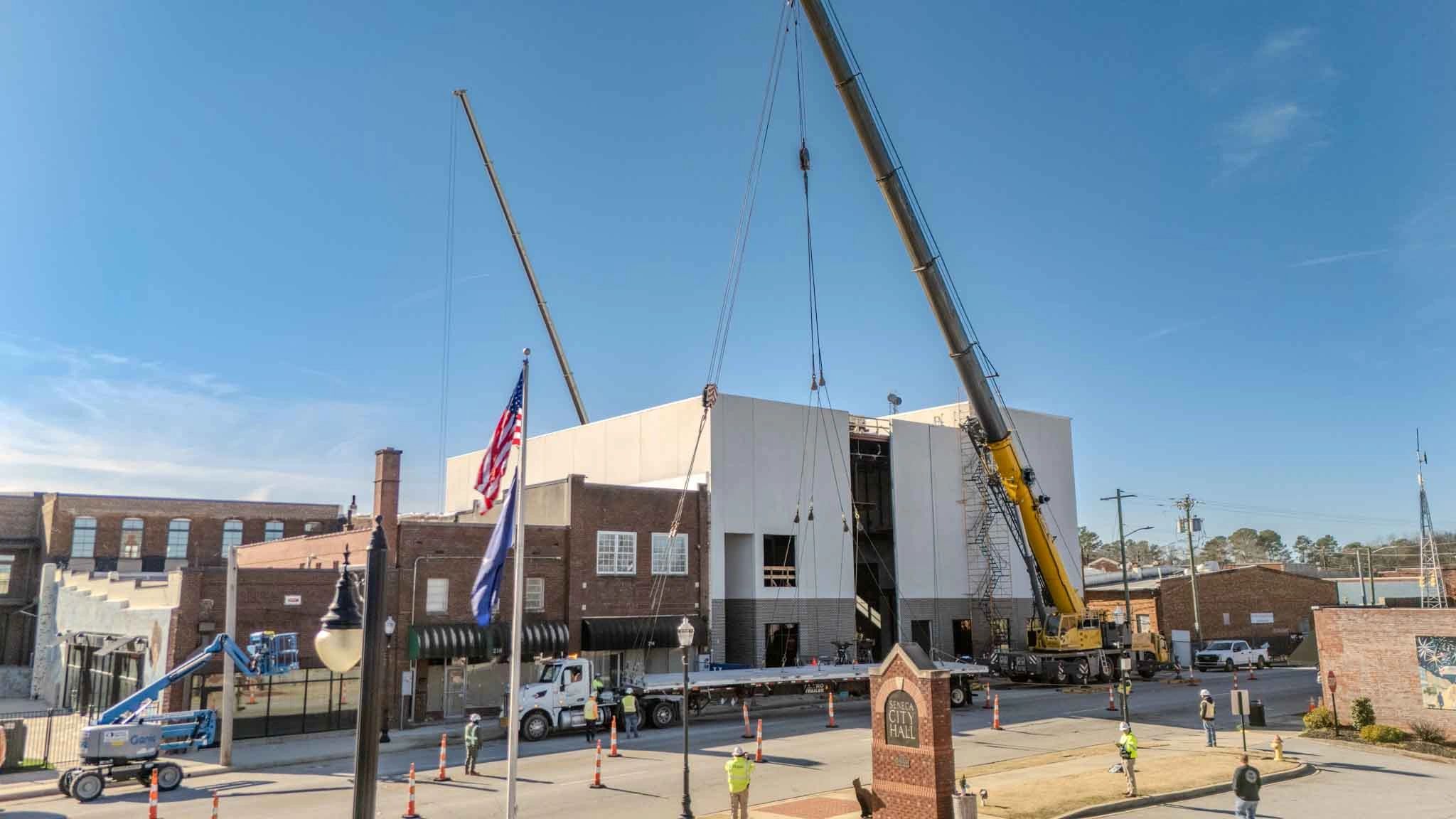
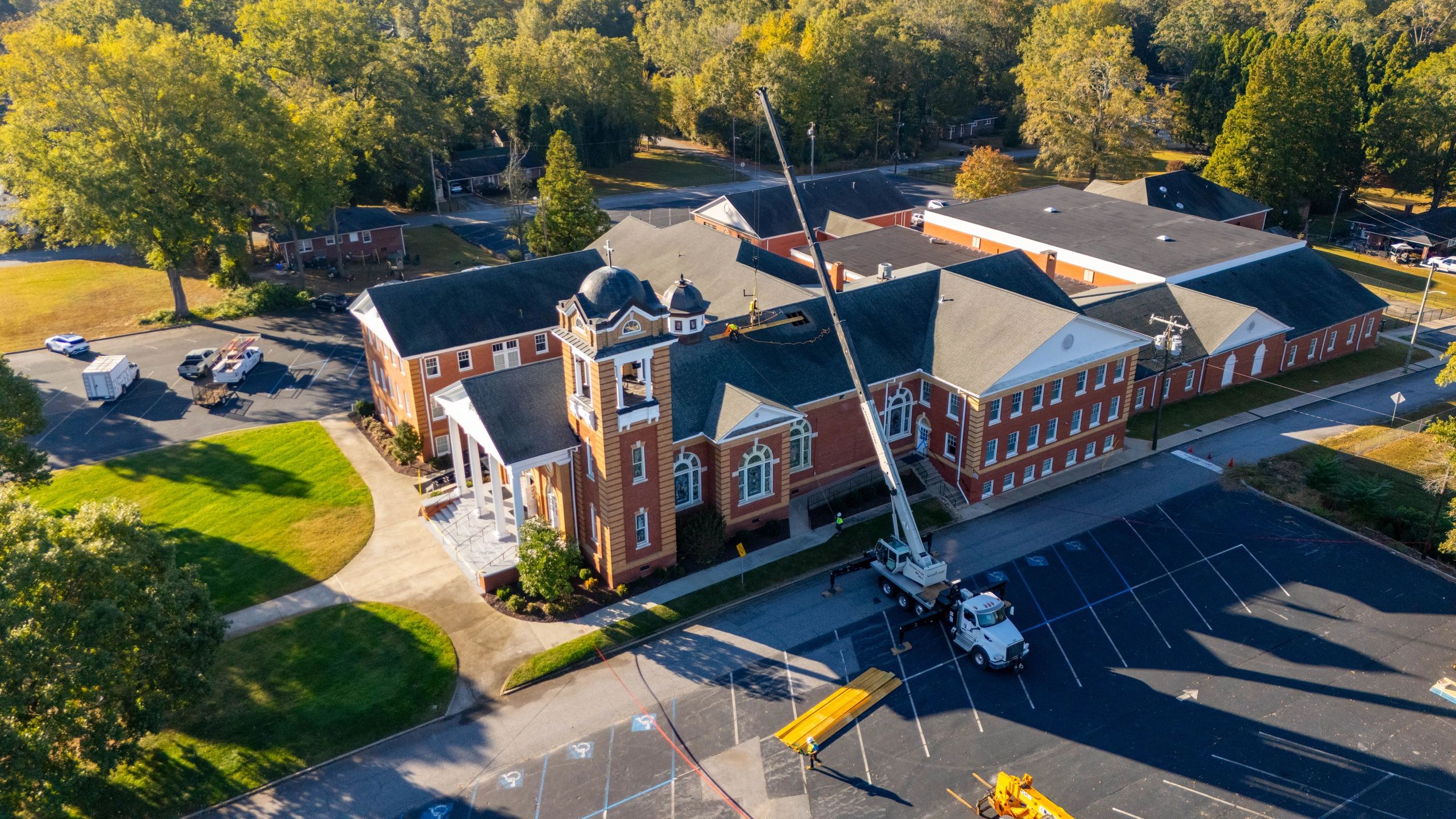
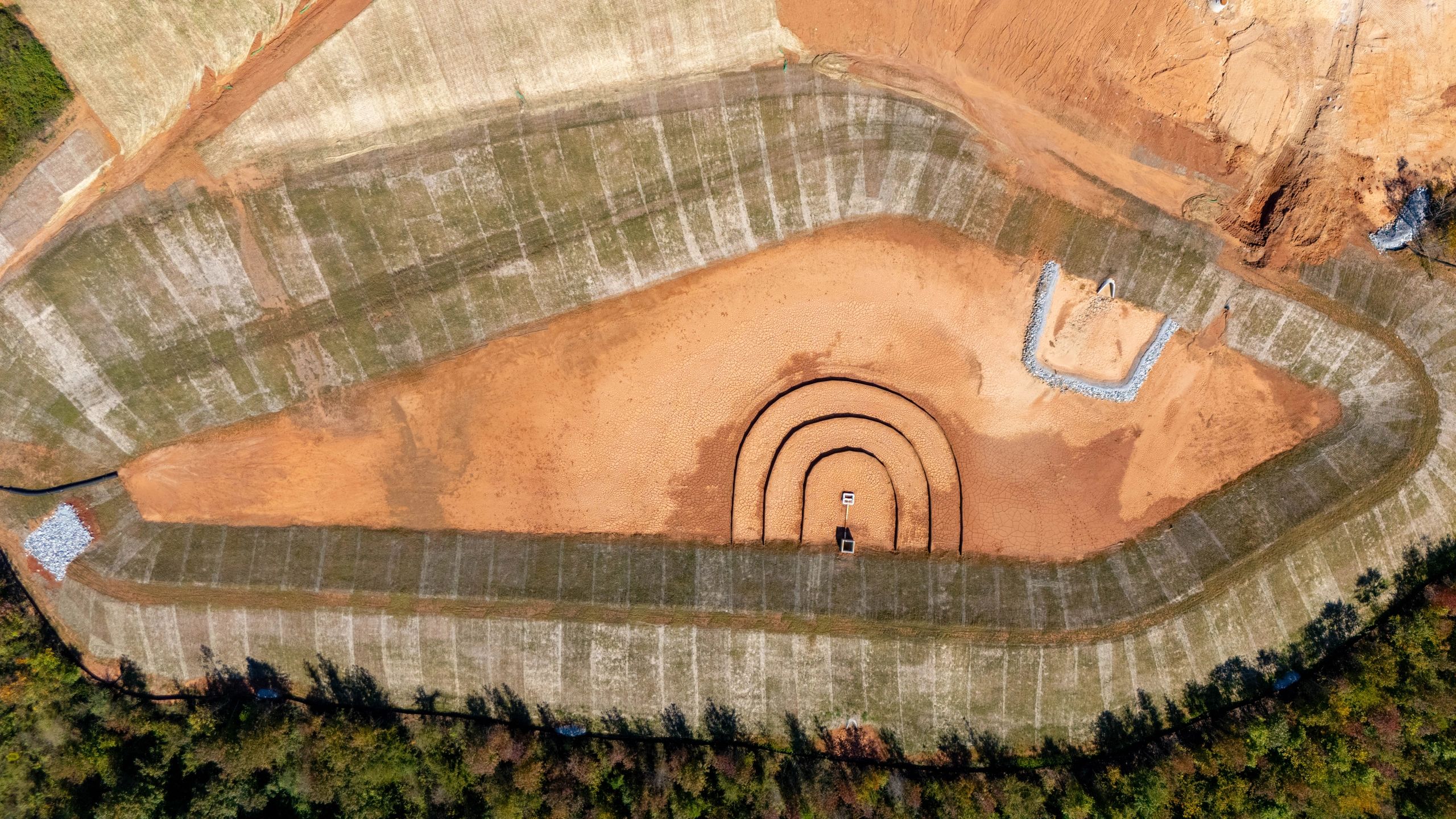
Consistent drone flights allow contractors to create a timeline of the project from start to finish. By capturing the same angles each month, teams can clearly compare progress and verify that work is moving according to schedule.
This type of documentation is especially useful for:
- Monitoring sitework and grading
- Tracking structural progress
- Verifying completed milestones
Over time, this creates a valuable record of the entire project.
3. Identify Issues Early
Aerial views provide a perspective that is difficult to achieve from the ground. Drone photos can reveal issues such as site congestion, material staging problems, or coordination conflicts between trades.
By identifying these issues early, project teams can address them before they lead to delays or additional costs.
4. Improve Communication Across Teams
Construction projects involve multiple teams working at the same time. Miscommunication can lead to costly mistakes and rework.
Drone progress reports give everyone a shared visual reference, making it easier to coordinate between trades and ensure everyone is aligned on the current state of the project.
5. Create Marketing and Documentation Assets
In addition to operational benefits, drone progress reports provide high-quality content that can be used for marketing and future projects.
Contractors and developers can use aerial footage to:
- Showcase completed projects
- Build portfolios
- Support future bids
- Share updates on social media
This makes drone documentation valuable both during and after construction.
Conclusion
Monthly drone progress reports are becoming an essential tool for construction teams looking to improve communication, track progress, and reduce risk. By providing clear, consistent aerial documentation, contractors can keep projects on track while delivering better visibility to owners and stakeholders.
As construction projects continue to grow in complexity, having reliable visual data is more important than ever. Drone progress reporting offers a simple and effective way to stay informed, improve coordination, and support overall project success.