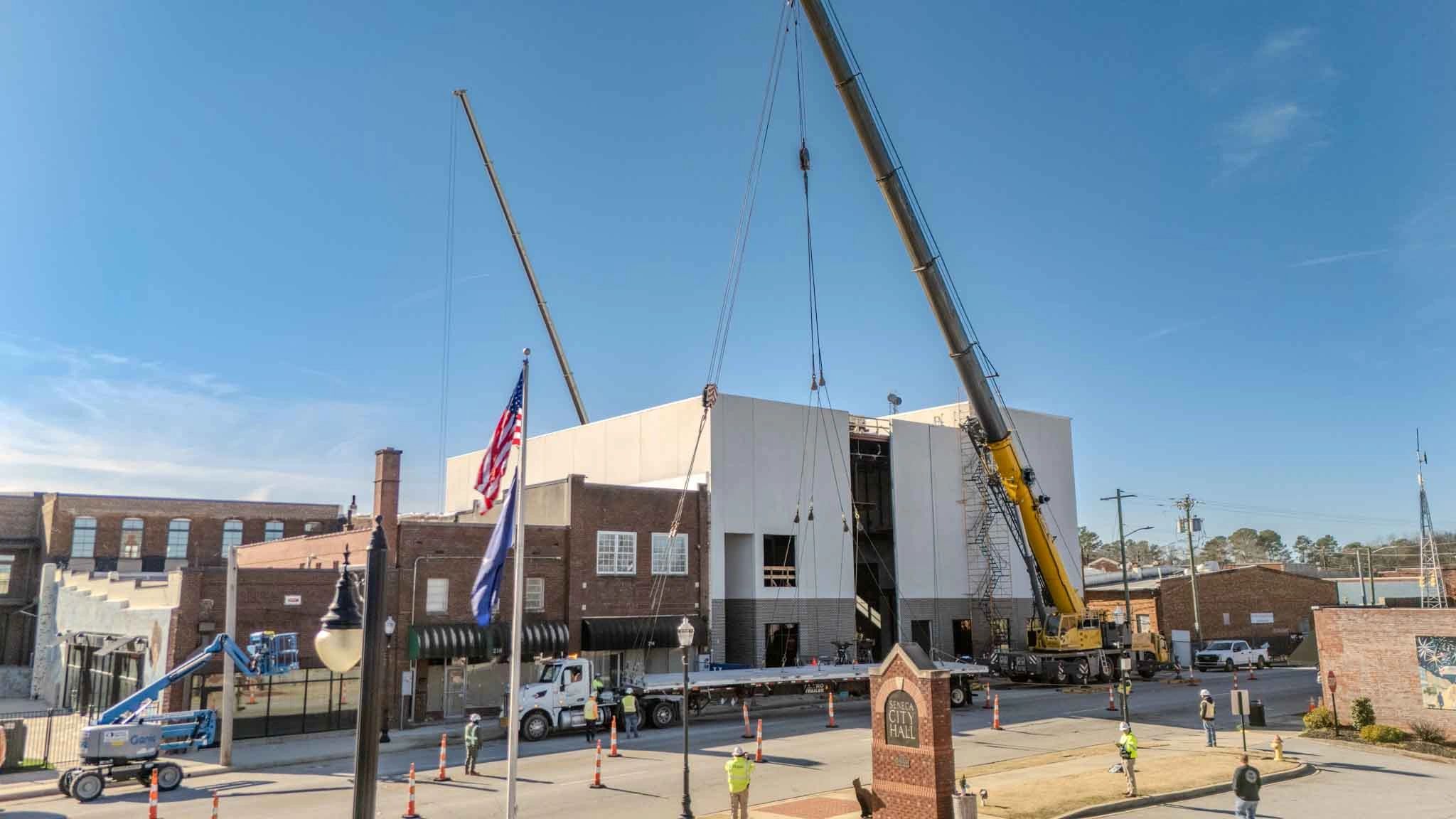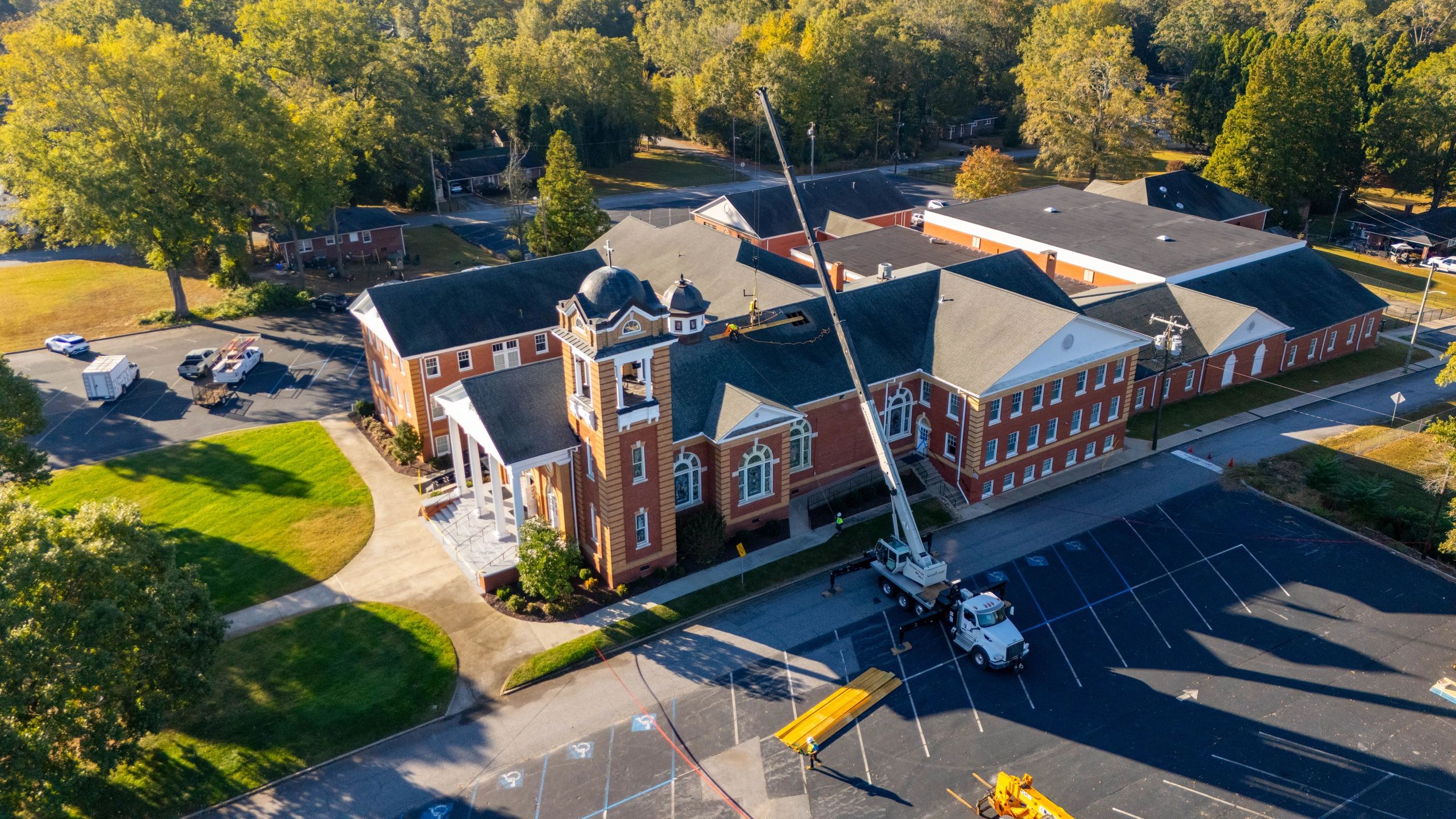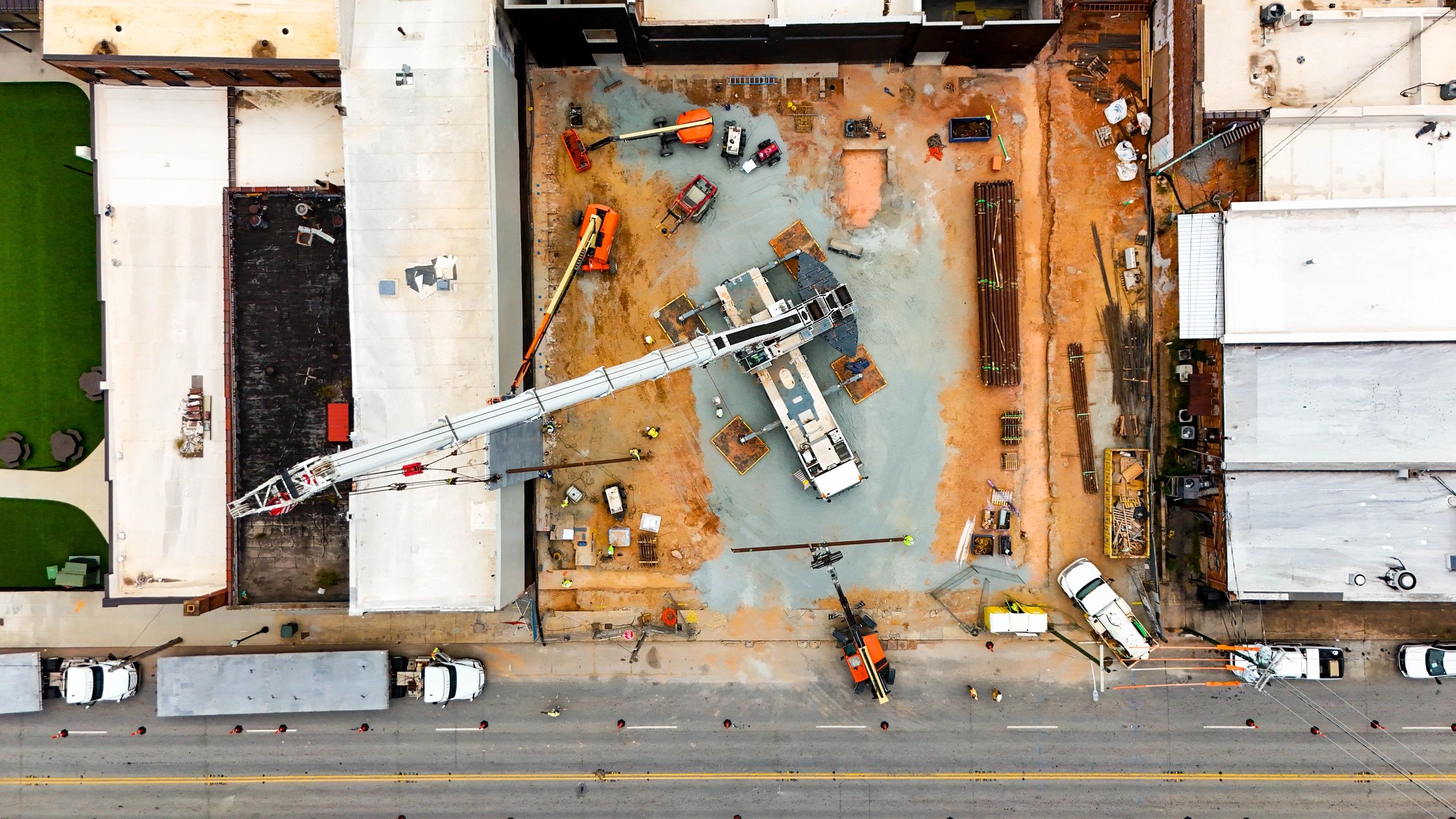
Construction projects move quickly, and keeping track of progress across an entire jobsite can be challenging. With multiple trades working simultaneously, shifting logistics, and tight project schedules, general contractors need reliable ways to monitor progress and document conditions throughout the life of a project.
Drone progress photography has become one of the most effective tools for achieving this visibility. High-resolution aerial imagery allows project teams to see the entire site at once, track construction milestones, and provide clear updates to owners and stakeholders.
However, one of the most common questions contractors ask when considering drone services is simple: how often should drone progress photos be taken?
The answer depends on several factors including project size, schedule, and the level of oversight required. In this article, we’ll break down the most common drone flight schedules used on construction projects and how contractors can determine what works best for their site.
1. Monthly Drone Flights — The Most Common Approach
For many construction projects, monthly drone flights provide the ideal balance between cost and documentation value. Capturing aerial images once per month creates a consistent visual timeline of the project without generating unnecessary data or expenses.
Monthly updates allow project teams to:
- Track progress across major milestones
- Share clear visual updates with owners and stakeholders
- Maintain a reliable archive of site conditions
- Monitor overall project organization and logistics
This approach works particularly well for commercial construction projects, multi-family developments, and education facilities where progress occurs steadily over time.
For most contractors, monthly drone documentation becomes the foundation for project visibility.
2. Bi-Weekly Drone Flights — Ideal for Faster Moving Projects
Some projects move at a pace where monthly documentation may not capture enough detail. In these situations, bi-weekly drone flights can provide better oversight.
Projects that often benefit from bi-weekly flights include:
- Large site work projects
- Rapid structural construction phases
- Fast-track commercial developments
- Industrial facilities with multiple simultaneous work zones
By capturing aerial imagery every two weeks, contractors gain a clearer understanding of how quickly work is progressing and can identify issues sooner if adjustments are needed.
For projects with tight schedules, this additional visibility can help keep teams aligned and prevent small issues from growing into larger problems.
3. Weekly Drone Flights — For High Visibility or Complex Projects
Some construction projects require even more frequent documentation. Weekly drone flights are often used on large or high-profile developments where owners, developers, and project teams want frequent updates.
Weekly documentation is particularly valuable for:
- Healthcare construction projects
- Large commercial developments
- Projects with multiple stakeholders
- Sites with complex logistics and large footprints
Frequent aerial updates provide leadership teams with a real-time understanding of how the jobsite is evolving.
For complex projects, this level of visibility can help improve coordination and reduce uncertainty across the entire project team.
4. Phase-Based Drone Flights — Documenting Key Milestones
In some cases, contractors choose to schedule drone flights around major construction milestones rather than a fixed timeline.
These flights are typically scheduled during key phases such as:
- Pre-construction site documentation
- Site clearing and grading
- Foundation installation
- Structural framing or steel erection
- Building enclosure
- Final project completion
This approach works well when the goal is to document the transformation of the site at critical points in the construction process.
While it may not provide the same level of ongoing oversight as regular flights, milestone-based documentation still creates a valuable visual record of the project.
5. Factors That Determine Drone Flight Frequency
Every construction project is different, and the ideal drone schedule depends on several variables.
Contractors typically consider factors such as:
- Project size and complexity
- Speed of construction activity
- Owner or stakeholder reporting requirements
- Site logistics and coordination challenges
- Marketing and documentation needs
Larger sites and faster-moving projects generally benefit from more frequent aerial updates, while smaller projects may only require occasional documentation.
The key is maintaining consistent imagery that allows project teams to track changes over time.
Why Consistency Matters
Regardless of how often flights occur, consistency is the most important factor in drone progress documentation.
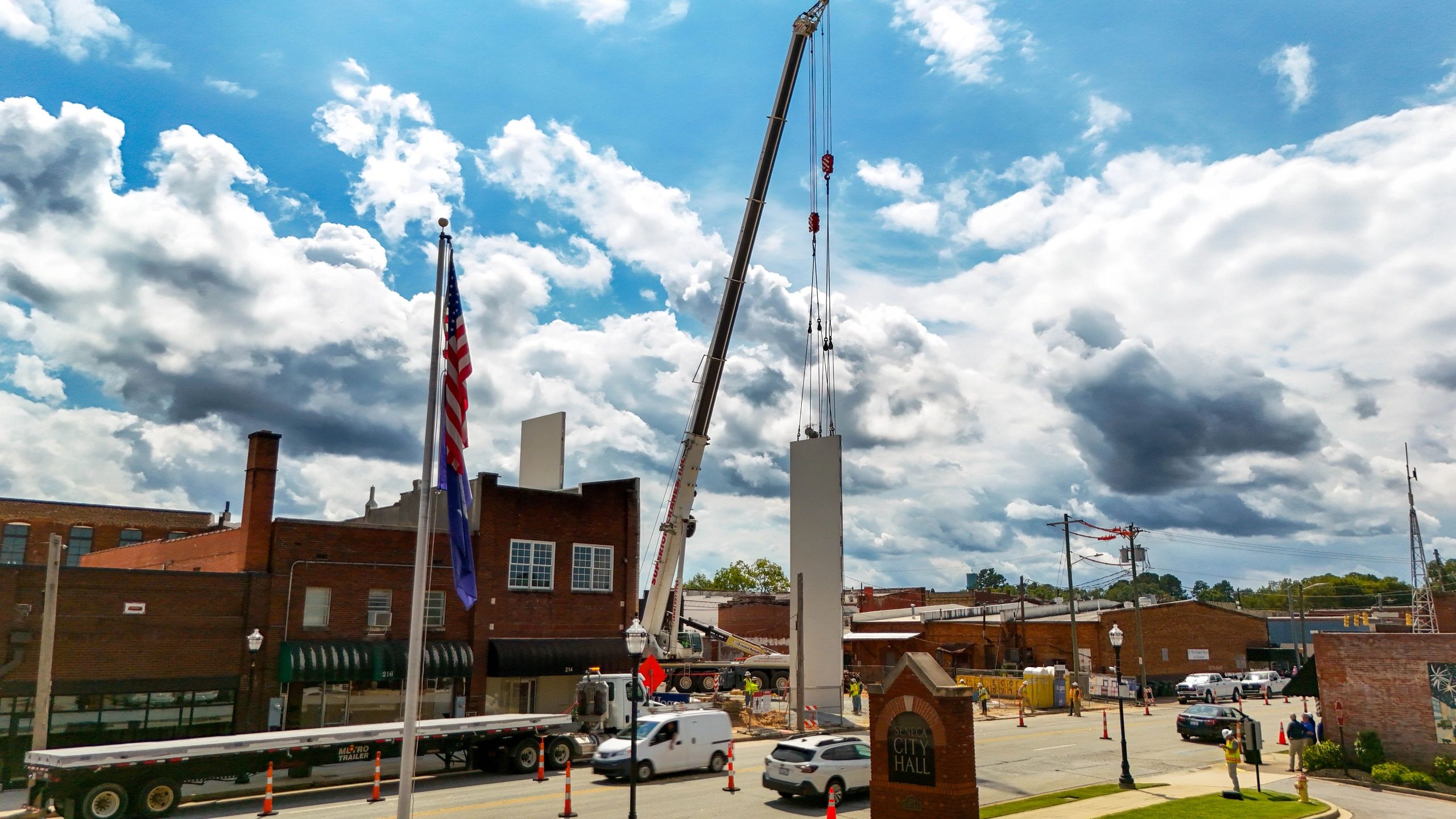
Capturing aerial imagery from the same angles and elevations over time creates a clear visual timeline that shows exactly how the project evolved.
Consistent documentation helps contractors:
- Review past site conditions
- Validate completed work
- Support project reporting
- Provide visual updates to owners
- Maintain historical records for future reference
Over time, these aerial archives become extremely valuable for both operational insight and long-term project documentation.
Frequently Asked Questions
How long does a typical drone flight take?
Most construction drone flights are completed in 10–20 minutes, depending on the size of the jobsite.
Will drone flights interfere with construction operations?
No. Professional drone pilots coordinate with site teams and complete flights quickly without disrupting work.
Are drone progress photos only useful for large projects?
Not at all. While larger sites often benefit the most, even smaller projects gain value from improved visibility and documentation.
Can drone imagery be shared with owners or developers?
Yes. Many contractors use aerial photos and videos as part of their regular project updates to keep stakeholders informed.
The Growing Role of Drones in Construction Documentation
As construction technology continues to evolve, drones are becoming an increasingly common tool for project teams. What began primarily as a marketing tool has quickly become a practical solution for improving project visibility and communication.
With aerial imagery, contractors can monitor progress more effectively, share clearer updates with stakeholders, and maintain detailed records of how their projects develop over time.
This broader perspective helps teams stay organized, informed, and confident throughout the construction process.
Final Thoughts
Drone progress photography provides construction teams with a powerful new perspective on their projects. By capturing consistent aerial imagery, contractors gain a clearer understanding of how their jobsites evolve and can communicate progress more effectively.
Key takeaways:
- Monthly drone flights are the most common option for construction documentation
- Faster-moving projects may benefit from bi-weekly updates
- Large or complex developments sometimes require weekly monitoring
- Milestone-based flights can document major construction phases
- Consistent aerial imagery creates a reliable visual timeline
Ultimately, the right schedule depends on the size and complexity of the project. But regardless of the frequency, the goal remains the same: to improve visibility, strengthen documentation, and help project teams manage construction more effectively.
Sometimes, gaining a clearer view of the project simply means seeing it from above.