Construction projects are becoming increasingly complex. Larger sites, tighter schedules, and rising expectations from owners mean that general contractors must find smarter ways to manage work, improve communication, and reduce risk.
One technology that has quickly become a valuable tool across the construction industry is drone aerial imaging. What once served primarily as a marketing tool is now being used to improve project oversight, strengthen documentation, and provide clearer visibility across the entire jobsite.
Drones give contractors a perspective that simply isn’t possible from the ground. By capturing high-resolution aerial photos and videos, project teams can monitor progress, identify potential issues early, and keep stakeholders informed without disrupting operations.
In this article, we’ll explore seven practical ways general contractors are using drones to manage construction projects more effectively.
1. Construction Progress Documentation
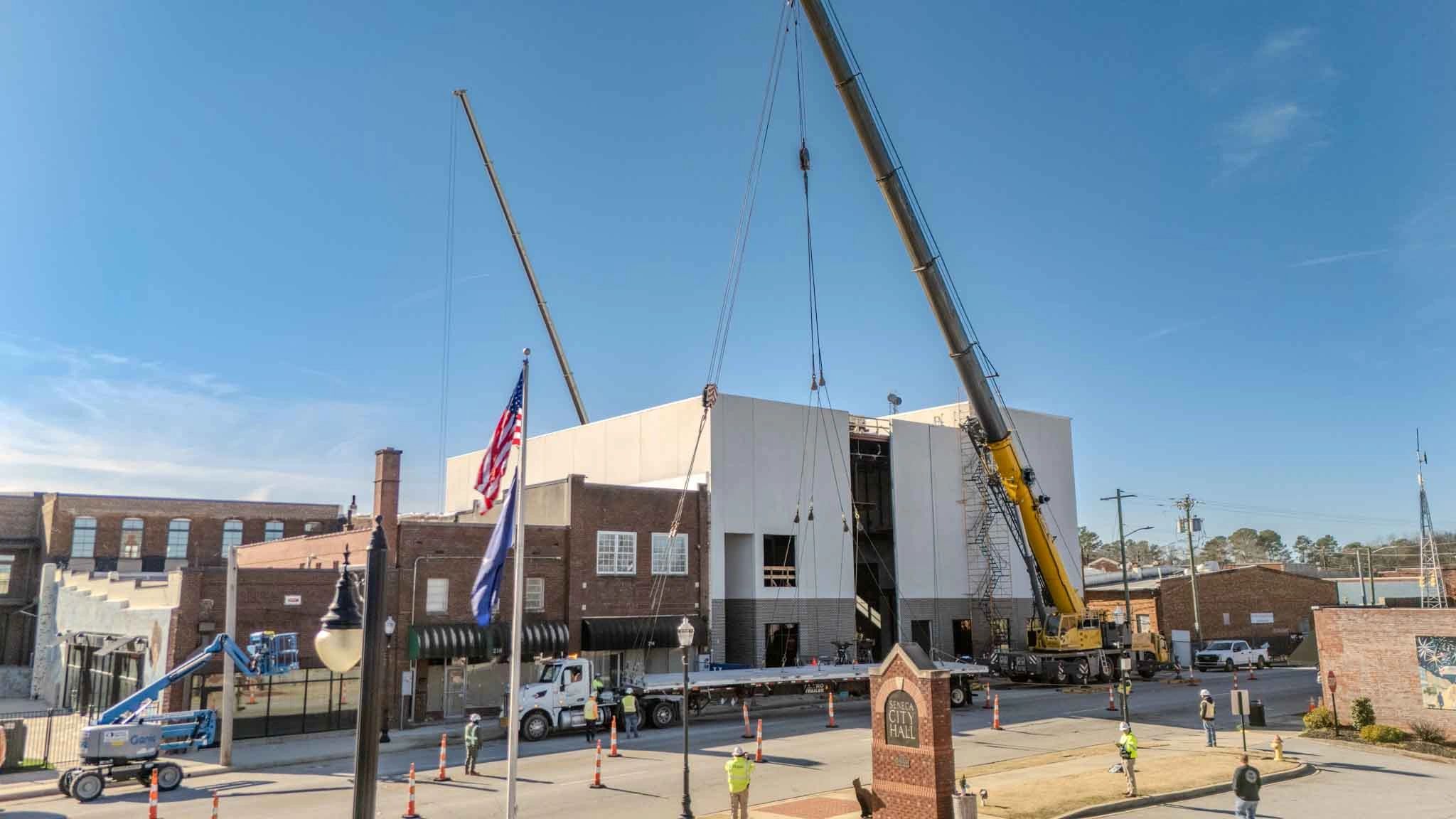
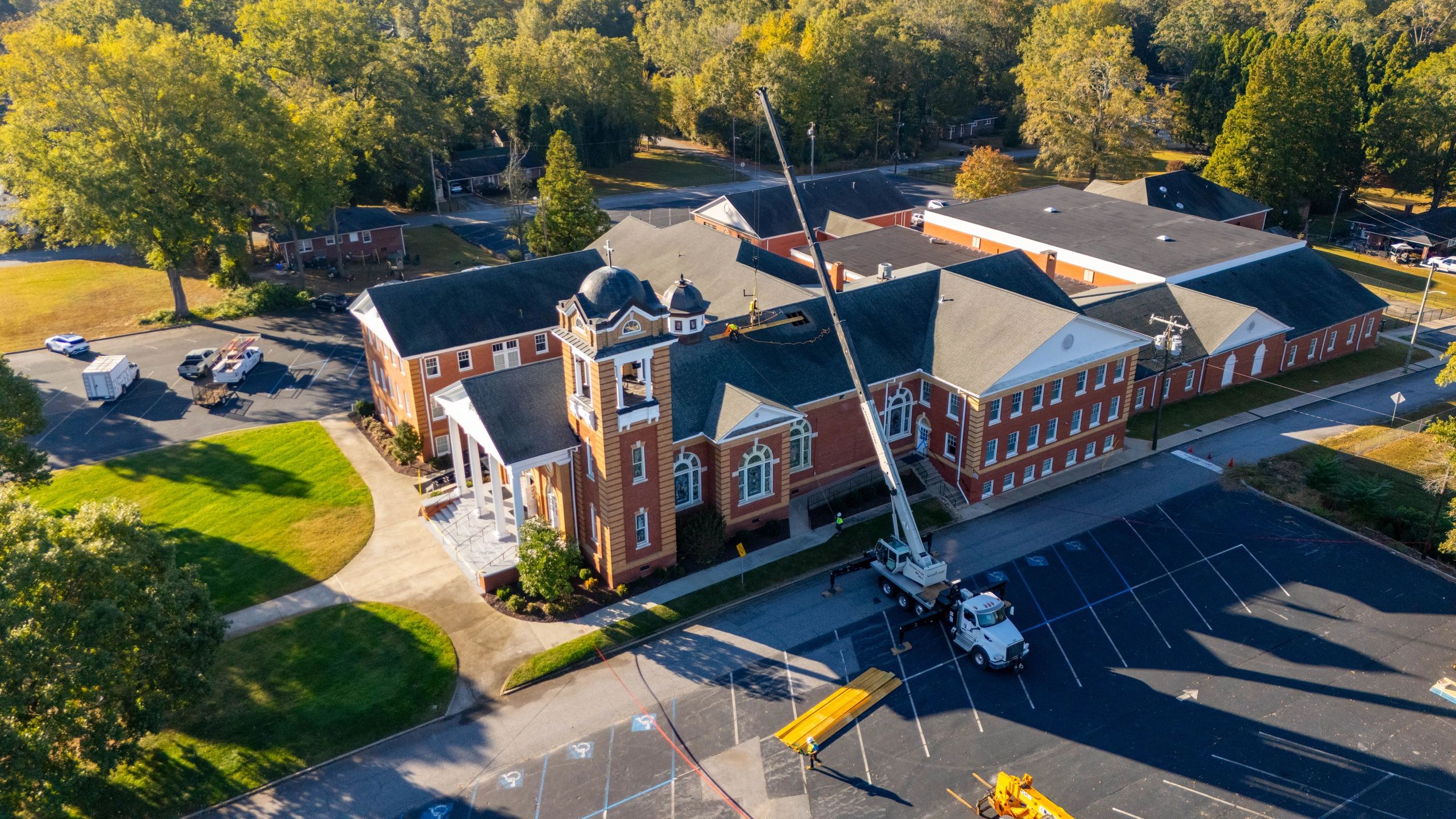
One of the most common uses of drones on construction sites is progress documentation. Aerial photos provide a consistent visual record of how a project evolves over time.
Instead of relying solely on written reports or ground-level photos, project teams can review a clear overhead perspective showing exactly how the jobsite looked at specific milestones.
Benefits of aerial progress documentation include:
- Easier progress tracking across large sites
- Clear visual updates for owners and stakeholders
- Improved coordination between trades
- Historical records of site conditions
Consistent aerial documentation allows contractors to quickly reference past conditions and verify that work is progressing according to plan.
2. Improved Communication with Owners and Stakeholders
Construction projects often involve multiple decision-makers who may not be able to visit the site regularly. Drone imagery makes it easy to provide visual updates without requiring additional site visits.
Aerial photos and videos allow project teams to communicate progress in a way that is simple and easy to understand.
This helps contractors:
- Provide professional updates to clients
- Improve transparency throughout the project
- Build confidence with developers and investors
- Reduce confusion about project status
Instead of trying to describe site conditions through emails or reports, contractors can share a clear visual overview of the entire project.
3. Site Logistics and Planning
Managing logistics on a construction site requires careful coordination between equipment, materials, and personnel. Drones provide an overhead view that helps teams evaluate how space is being used.
From staging areas to access routes, aerial imagery can reveal opportunities to improve efficiency and organization.
Common logistics insights drones can provide:
- Equipment placement and movement patterns
- Material storage locations
- Traffic flow throughout the jobsite
- Access routes for deliveries and emergency vehicles
This perspective allows project managers to make informed adjustments that improve site operations.
4. Pre-Construction Site Analysis
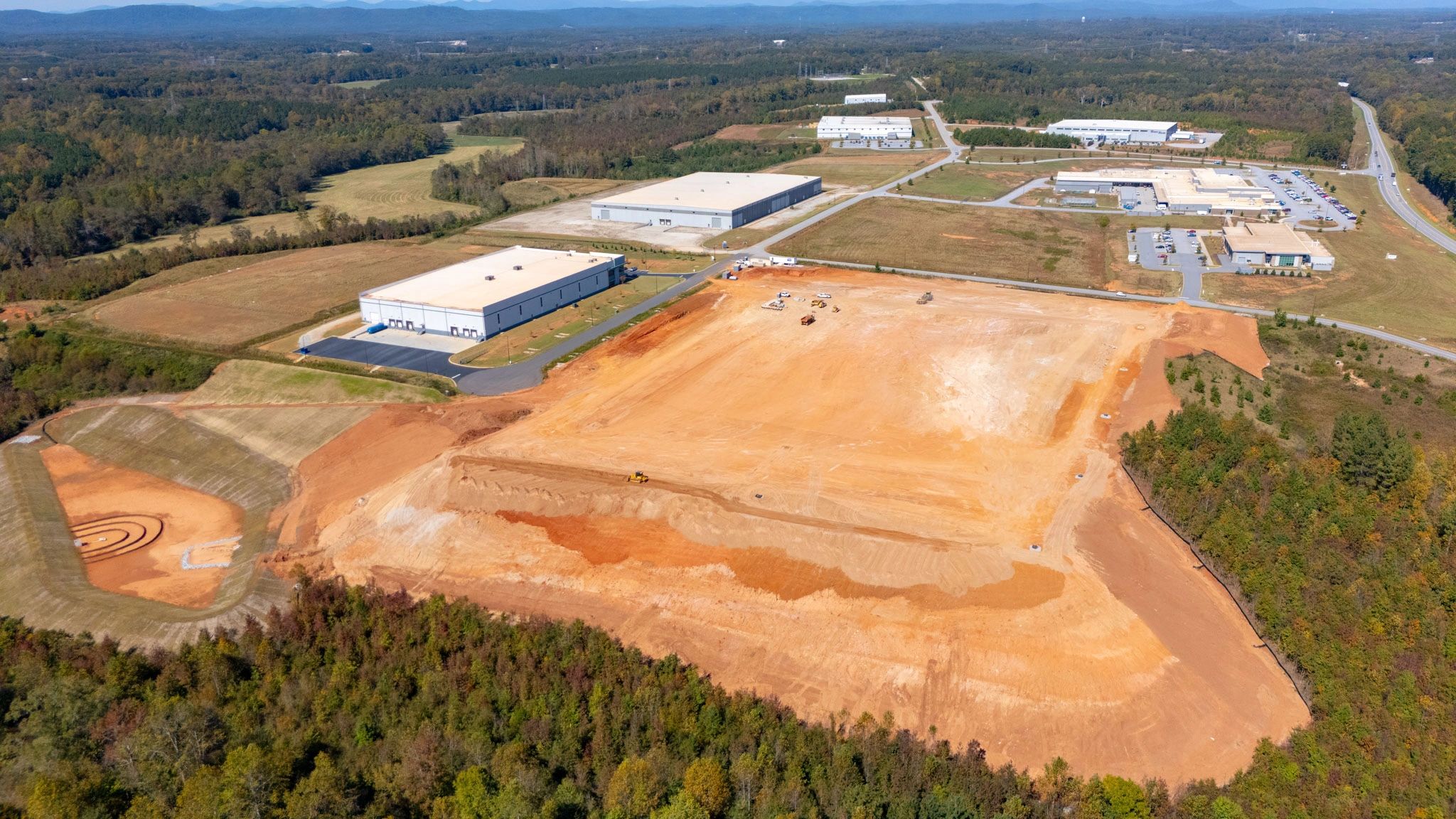
Before construction even begins, drones can provide valuable information about the existing site conditions.
Aerial imagery can capture detailed views of the property, helping project teams better understand terrain, site boundaries, and surrounding infrastructure.
Pre-construction drone flights are often used to:
- Document existing conditions
- Assist with early planning discussions
- Capture baseline imagery before site work begins
- Provide reference material for project teams
Having a visual record of the site before construction starts can be extremely useful later in the project if questions arise.
5. Safety Monitoring and Oversight
Safety is always a top priority on construction sites. Drones can help project teams monitor site conditions and identify potential hazards from a safe distance.
Instead of requiring supervisors to physically walk every area of the site, aerial views allow leadership to evaluate overall site organization and spot developing issues.
Examples of safety insights drones may reveal:
- Improper material storage
- Congested work areas
- Access route obstructions
- Equipment positioning concerns
This broader perspective helps teams maintain a safer and more organized jobsite.
6. Marketing and Project Promotion
Beyond operational benefits, drone footage also provides powerful marketing assets for construction companies.
Professional aerial imagery can showcase projects in a way that traditional ground photos cannot match.
Contractors often use drone footage for:
- Project portfolios
- proposal presentations
- social media marketing
- website features
- recruiting materials
Instead of scrambling to gather visuals at project completion, contractors can build a library of high-quality imagery throughout the construction process.
7. Final Project Documentation
When a project reaches completion, aerial imagery provides a polished way to document the finished work.
High-resolution drone photos and videos capture the full scope of the project and highlight its scale in a way that traditional photography often cannot.
Final documentation can be used for:
- project closeout records
- marketing materials
- owner presentations
- company portfolios
These visuals often become valuable assets for both contractors and project owners long after construction is complete.
What Types of Projects Benefit Most from Drones?
While nearly any construction project can benefit from aerial imaging, drones tend to provide the most value on projects with larger sites or complex logistics.
Examples include:
- Commercial construction projects
- healthcare facilities
- industrial developments
- multi-family housing projects
- education campuses
- large site work and infrastructure projects
The more expansive the project, the more valuable the aerial perspective becomes.
Frequently Asked Questions
Are drones disruptive to the jobsite?
No. Professional drone flights are typically completed quickly and are coordinated with site teams to avoid interfering with construction activities.
How often should drone flights occur?
Many contractors schedule monthly flights to maintain a consistent visual timeline, though some projects benefit from bi-weekly updates during fast-moving phases.
Do drones replace traditional site inspections?
No. Drone imagery complements on-site inspections by providing an additional perspective that helps project teams see the bigger picture.
Are drone services worth the cost?
For many projects, the value of improved documentation, communication, and site visibility far outweighs the cost of aerial imaging.
The Growing Role of Drones in Construction
As construction technology continues to evolve, drones are becoming an increasingly common tool across the industry. Contractors are discovering that aerial visibility improves coordination, strengthens documentation, and helps teams make better decisions.
Rather than relying solely on ground-level observations, project teams now have the ability to see the entire jobsite from above.
This broader perspective allows contractors to stay organized, communicate more clearly, and manage projects with greater confidence.
Final Thoughts
Construction projects involve countless moving parts, and maintaining visibility across the entire site can be challenging. Drone technology provides a simple yet powerful way to improve oversight and documentation throughout the construction process.
Key takeaways:
- Drones provide consistent progress documentation
- Aerial imagery improves communication with stakeholders
- Overhead views help optimize site logistics
- Early site documentation protects contractors later
- Drone imagery supports marketing and project promotion
As construction projects continue to grow in complexity, having a clear aerial perspective is becoming less of a luxury and more of a practical tool for modern project management.
Sometimes, the best way to manage a project more effectively is simply to change your point of view.