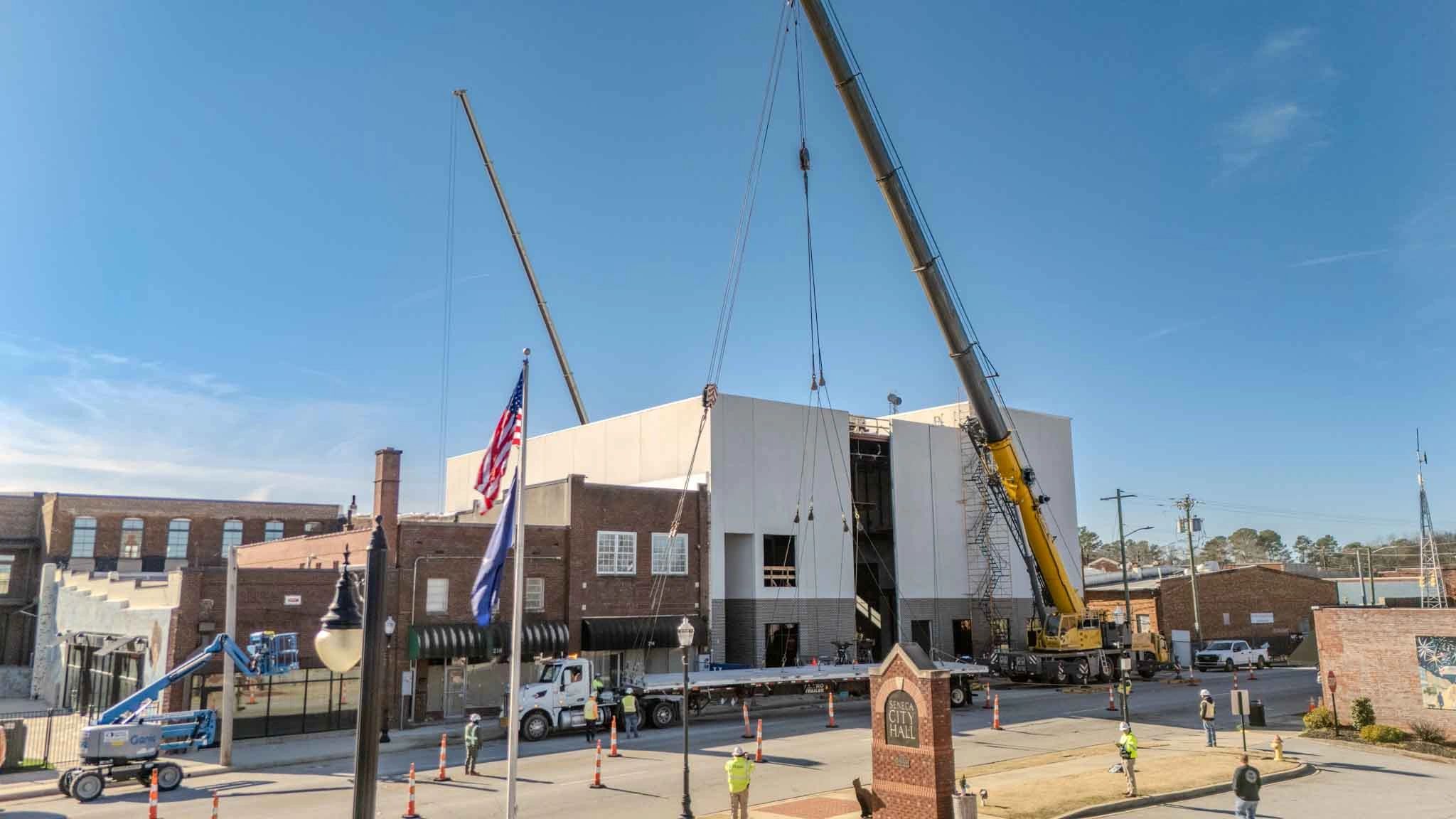
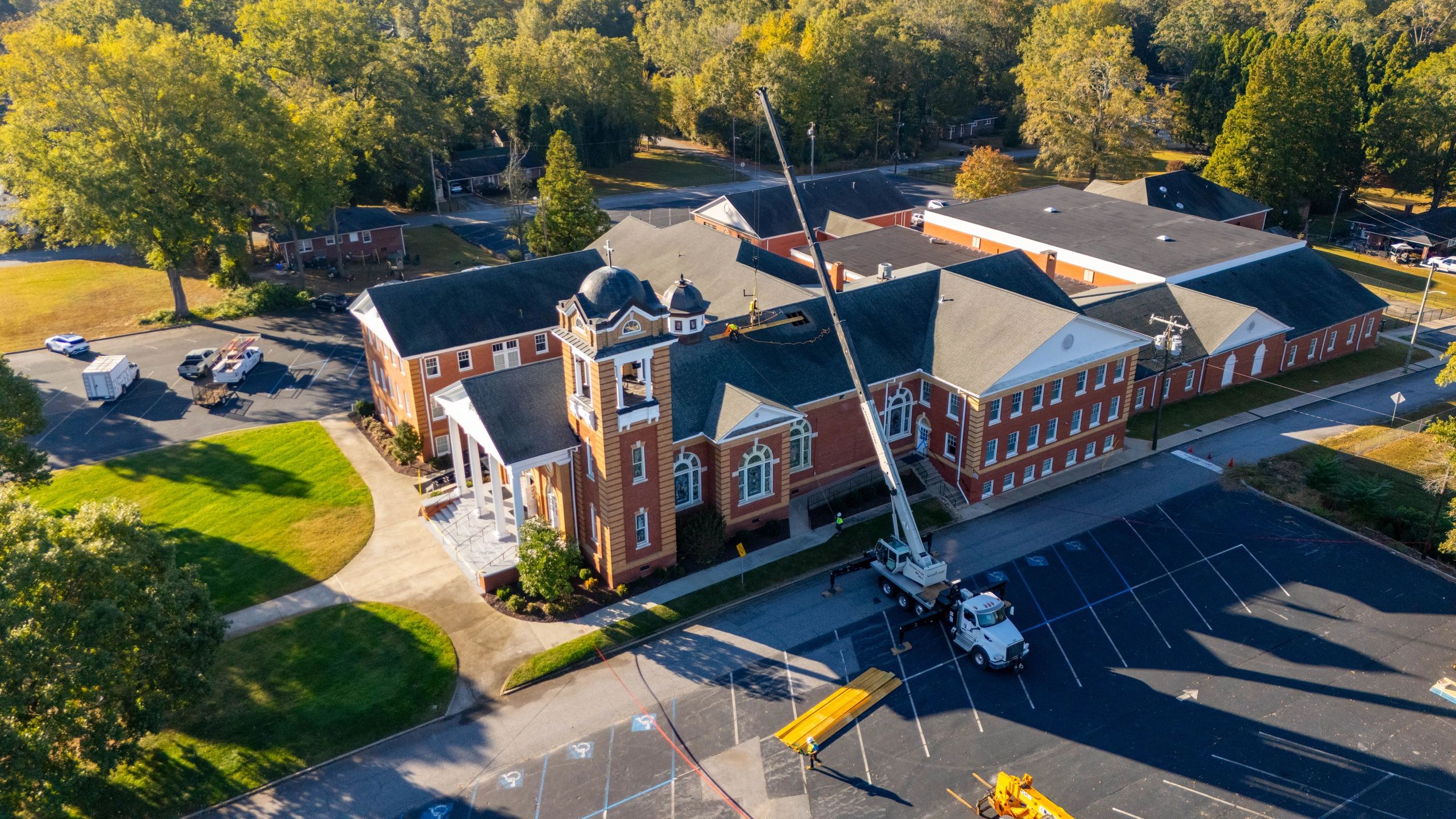
In today’s construction environment, margins are tight, schedules are aggressive, and expectations from owners continue to rise. General contractors are constantly searching for smarter ways to improve efficiency while reducing risk — and one tool is rapidly proving its value across projects of all sizes: drone progress photography.
What was once considered a marketing luxury is now becoming an operational necessity. Aerial progress documentation provides real-time visibility, strengthens communication, and helps project teams identify costly issues before they escalate. For contractors managing complex sites, multiple trades, and strict deadlines, the financial advantages can be significant.
In this article, we’ll break down five powerful ways drone progress photos help general contractors protect their budgets and deliver projects more successfully.
1. Catch Problems Early — Before They Become Expensive
One of the most common sources of budget overruns is rework. Misaligned layouts, grading errors, drainage issues, and staging conflicts often go unnoticed from ground level until the fix becomes costly.
Drone imagery provides a comprehensive overhead perspective that allows project managers and superintendents to quickly spot inconsistencies.
Common issues drones help detect:
- Incorrect site grading that could impact drainage
- Material storage interfering with access routes
- Trade stacking conflicts
- Safety hazards developing on-site
- Parking and logistics inefficiencies
Identifying these problems early can save thousands in labor, equipment time, and schedule recovery.
Instead of reacting to issues, teams can operate proactively.
2. Reduce Unnecessary Site Visits
Travel time is one of the most overlooked costs in construction management. When project stakeholders must repeatedly visit the site to check progress, expenses quietly accumulate through fuel, vehicle wear, and lost productivity.
High-resolution aerial updates allow owners, developers, and senior leadership to monitor progress remotely with confidence.
Financial advantages include:
- Fewer drive-time hours for leadership teams
- Less disruption to on-site crews
- Faster decision-making
- Improved time allocation for project managers
For firms overseeing multiple projects, this visibility becomes a force multiplier — allowing teams to stay informed without stretching resources thin.
3. Strengthen Documentation and Protect Against Disputes
Construction disputes are rarely cheap. Whether related to schedule delays, site conditions, or scope responsibilities, disagreements often come down to documentation.
Drone progress photos create a consistent visual timeline of the project, capturing exactly what existed at specific points in time.
This documentation can help contractors:
- Validate completed work
- Demonstrate site conditions before trade mobilization
- Support change orders
- Defend against liability claims
- Provide clarity during owner discussions
When questions arise months later, having a detailed aerial archive can prevent lengthy investigations — and expensive legal exposure.
Think of it as an insurance policy that pays for itself long before a conflict ever occurs.
4. Improve Client Confidence and Win Repeat Business
Owners want transparency. When clients feel informed, they feel secure — and confident clients are far more likely to become repeat partners.
Drone updates provide a professional, easy-to-understand view of progress that typical ground photos simply cannot match.
What owners appreciate most:
- Clear visualization of milestones
- Better understanding of site logistics
- Confidence that the project is organized
- Reduced uncertainty
This level of communication elevates the contractor-client relationship from transactional to collaborative.
And in an industry built heavily on reputation, that trust directly impacts future revenue opportunities.
5. Enhance Marketing Without Increasing Your Budget
While operational benefits often justify drone services on their own, the marketing value is an added bonus many contractors underestimate.
Professional aerial imagery can be repurposed across multiple channels:
- Project portfolios
- Proposal packages
- Social media
- Recruiting materials
- Website features
Instead of scrambling for photos after project completion, you build a library of high-quality visuals throughout the construction lifecycle.
This positions your firm as organized, modern, and forward-thinking — qualities that resonate strongly with developers evaluating potential partners.
Better visuals often lead to stronger proposals, and stronger proposals help win higher-value work.
What Types of Projects Benefit Most?
Although nearly any jobsite can benefit from aerial documentation, drone progress photography delivers especially strong returns on:
- Large commercial builds
- Healthcare facilities
- Industrial developments
- Multi-family projects
- Education campuses
- Expansive site work
Simply put, the more moving pieces a project has, the greater the financial upside of improved visibility.
Frequently Asked Questions
How often should drone progress photos be captured? Many contractors opt for monthly flights, while faster-paced projects may benefit from bi-weekly updates. Consistency is key to building a reliable visual timeline.
Are drone services disruptive to the jobsite? Not at all. Professional operators coordinate with site teams and typically complete flights quickly without interfering with ongoing work.
Is drone documentation expensive? When compared to the potential cost of rework, delays, or disputes, drone progress photography is often one of the highest ROI tools available to a project team.
Do drones improve safety oversight? Yes. Aerial views can highlight developing hazards and help leadership monitor site organization without entering active construction zones.
The Future of Construction Visibility
Construction is evolving, and the firms that embrace smarter technology are positioning themselves ahead of the curve. Drone progress photography is no longer just about capturing impressive visuals — it’s about improving decision-making, reducing risk, and operating more efficiently.
As projects grow more complex and clients expect greater transparency, having a reliable aerial perspective is quickly becoming part of best practice rather than a competitive edge.
Contractors who leverage this tool are discovering that the savings aren’t theoretical — they show up directly on the balance sheet through avoided mistakes, stronger documentation, and improved workflows.
Final Thoughts: A Small Investment with Major Returns
When evaluating tools that genuinely impact project success, drone progress photos stand out for their practicality and financial value.
Key takeaways:
- Early problem detection prevents costly rework
- Remote visibility reduces travel expenses
- Strong documentation protects against disputes
- Better communication builds client trust
- Professional visuals support business growth
In an industry where small inefficiencies compound quickly, gaining a clearer view of your project can make all the difference.
The goal isn’t just to build — it’s to build smarter.
And sometimes, the best way to do that is by changing your perspective.